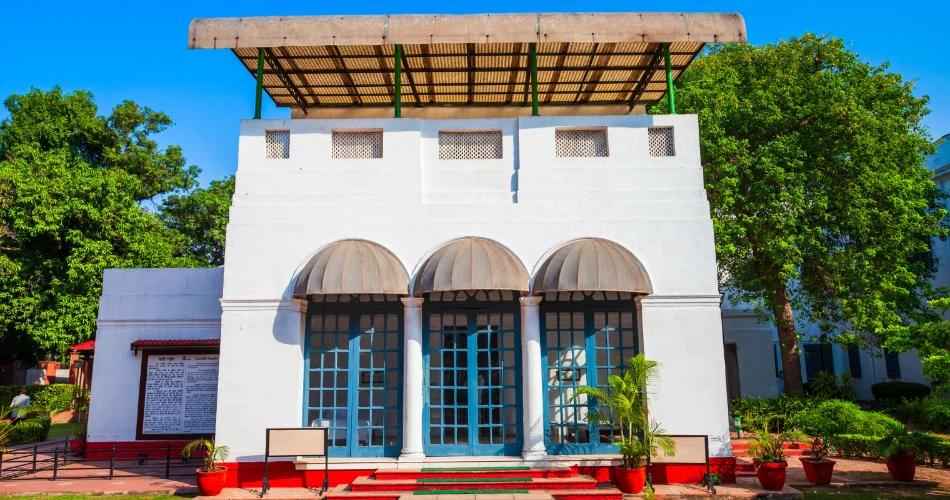

Mani Bhavan: The house where Gandhi shaped India’s freedom struggle
Introduction: The Symbol of Gandhi’s Legacy in Mumbai
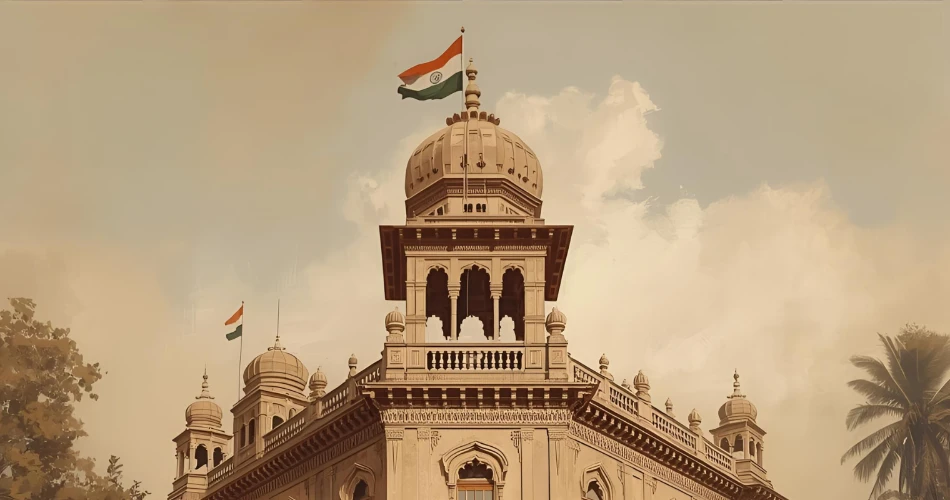
Nestled in a quiet lane of Gamdevi, South Mumbai, stands Mani Bhavan, a modest yet historically powerful house where Mahatma Gandhi lived between 1917 and 1934 whenever he was in Mumbai. Today, this unassuming building is one of India’s most significant memorials of Gandhi’s life and contribution to the freedom struggle.
Mani Bhavan played a central role in India’s independence movement. It was here that Gandhi initiated pivotal national campaigns such as Non-Cooperation, Civil Disobedience, Swadeshi Movement, and Satyagraha. Beyond politics, this house became a hub for intellectual discussions, nationalist fervor, and Gandhian philosophy, making it an epicenter of India’s fight for self-rule.
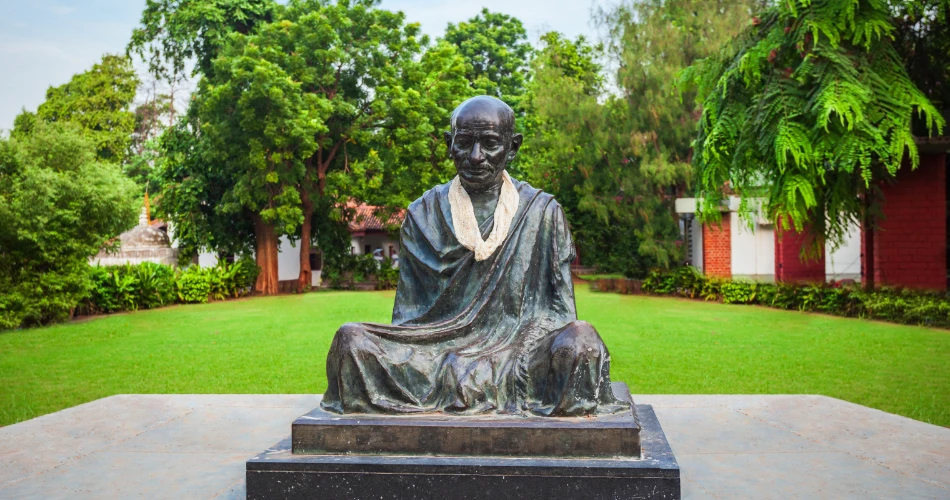
For visitors and historians alike, Mani Bhavan is more than just a heritage museum—it is a living chronicle of India’s fight for independence, echoing the values of simplicity, non-violence, and truth that Gandhi embodied.
Mani Bhavan’s Historical Importance in India’s Freedom Struggle
When Gandhi first stayed at Mani Bhavan, he was already emerging as a national leader, and Mumbai was the heartbeat of India’s political awakening. Mani Bhavan became his Mumbai headquarters, a place where strategies for nationwide campaigns were crafted and executed.
Some of the landmark movements connected to this house include:
-
Swadeshi Movement: Advocating the boycott of British goods and revival of indigenous industries.
-
Non-Cooperation Movement: Urging Indians to withdraw from British institutions.
-
Civil Disobedience Campaigns: Promoting peaceful resistance against unjust colonial laws.
Leaders like Sardar Vallabhbhai Patel, Jawaharlal Nehru, and Maulana Azad frequently visited Mani Bhavan, making it a think-tank of the independence era. Its library, prayer hall, and even its rooftop witnessed meetings that shaped India’s destiny.
The Daily Life of Gandhi at Mani Bhavan
Gandhi’s life at Mani Bhavan reflected his philosophy of simple living and high thinking. His daily routine was disciplined and deeply spiritual. He practiced prayer, spinning on the charkha, writing letters, and meeting fellow leaders.
The spinning wheel on Mani Bhavan’s rooftop became symbolic of self-reliance and economic independence. Gandhi believed that spinning and weaving were not just crafts but powerful political acts against colonial exploitation.
He also used the house as a space to connect with common people, teaching lessons of non-violence and truth. Children and students often gathered here to listen to his speeches and join prayers. Mani Bhavan, thus, was not only a political hub but also a spiritual retreat where Gandhian ideals came alive.
Mani Bhavan as a Museum: Preserving Gandhi’s Memory
In 1955, Mani Bhavan was converted into a museum by the Gandhi Smarak Nidhi. Today, it continues to attract thousands of visitors annually, offering a walk through Gandhi’s life and India’s freedom journey.
The museum houses:
-
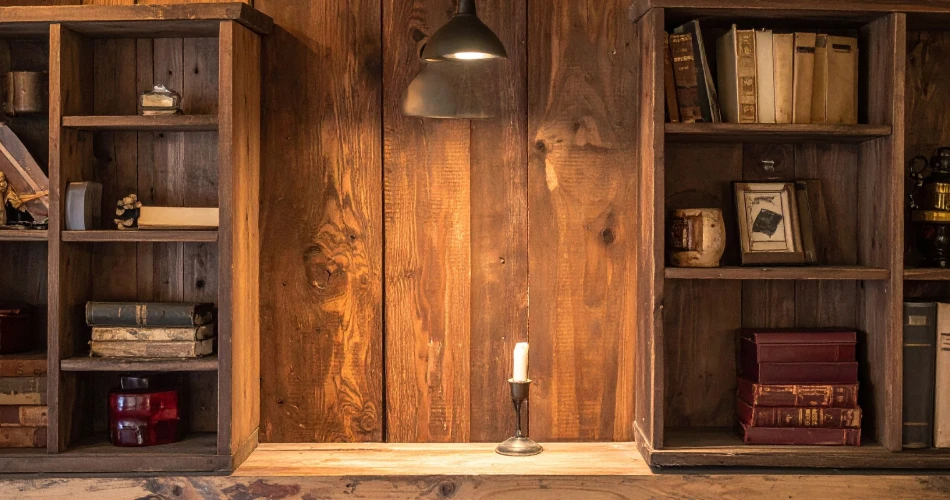
A Library with over 50,000 books on Gandhi, Indian freedom movement, and world history.
-
Photographs and Letters documenting Gandhi’s life, friendships, and struggles.
-
Miniature Dioramas depicting important episodes of Gandhi’s life.
-
The Room and Terrace where Gandhi stayed, preserved in their original condition.
Walking through Mani Bhavan gives a sense of stepping back in time, making history tangible for modern generations. It is not just a tourist spot but an educational pilgrimage site for anyone seeking to understand Gandhi’s legacy.
Why Mani Bhavan Holds Relevance Today
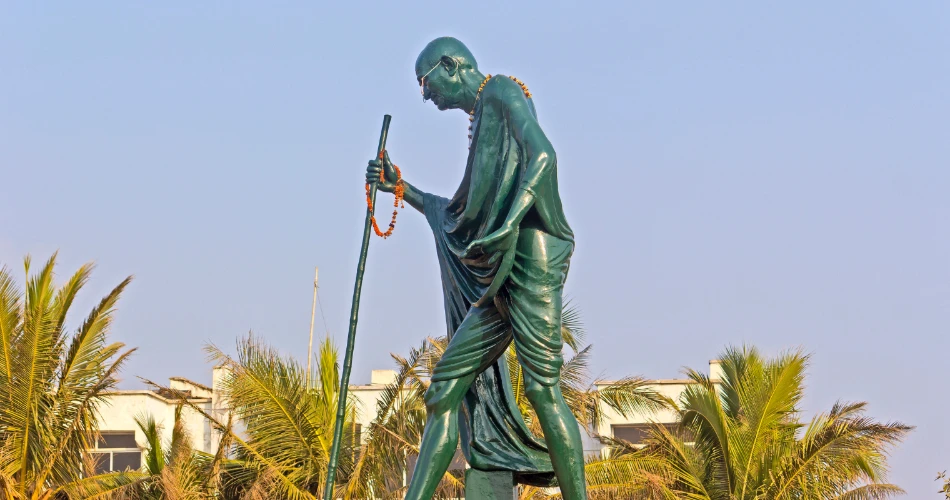
More than eight decades after Gandhi last stayed here, Mani Bhavan continues to inspire. In today’s world of political conflicts and materialism, Gandhi’s emphasis on non-violence, truth, and simplicity feels more relevant than ever.
The museum serves as a reminder of how powerful peaceful protest can be. From the American Civil Rights Movement led by Martin Luther King Jr. to modern environmental movements, Gandhi’s philosophy has influenced leaders globally.
For India, Mani Bhavan is a heritage site of pride, showcasing how ordinary spaces can become extraordinary when fueled by extraordinary vision. It teaches future generations that freedom is not just about independence from colonial rule but also about self-discipline, equality, and justice.
Visiting Mani Bhavan: A Traveler’s Guide
Located on Laburnum Road, Gamdevi, Mumbai, Mani Bhavan is easily accessible from Churchgate and Charni Road railway stations. The house is open to visitors all days of the week, usually between 9:30 AM to 6:00 PM, with free entry.
Travelers can expect:
-
Guided Tours offering insights into Gandhi’s life.
-
Exhibitions on freedom struggle milestones.
-
Peaceful Ambience perfect for reflection.
Nearby attractions like the Gateway of India, Marine Drive, and Chowpatty Beach make Mani Bhavan an essential part of any Mumbai itinerary.
For students, researchers, and history enthusiasts, Mani Bhavan is more than sightseeing—it’s a classroom of history.
Conclusion: Mani Bhavan as a Living Testament of Freedom
Mani Bhavan is not just a house—it is a sacred monument of India’s freedom struggle. Within its walls, Gandhi’s ideas transformed into mass movements that shook the foundations of the British Empire.
As a museum today, Mani Bhavan ensures that Gandhi’s life, struggles, and values continue to inspire new generations. For anyone visiting Mumbai, it is a must-visit destination that blends history, heritage, and philosophy in one place.
By preserving Mani Bhavan, India safeguards not just a building but the essence of its independence journey. It is a reminder that simplicity, courage, and truth can change the destiny of a nation.


About Author
Leo is a master at storytelling. He produces unique travel content in a way that gives readers a vibe of actually being there.