
Historic Events That Shaped the Taj Mahal Palace Hotel
Introduction
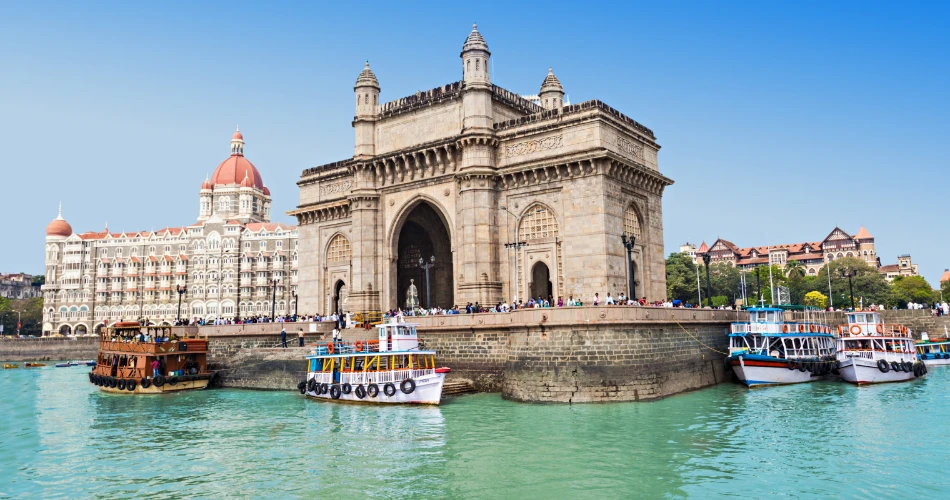
The Taj Mahal Palace Hotel in Mumbai is more than just a luxury hotel—it is a living monument that has witnessed and withstood the tides of history for over a century. Since opening its doors in 1903, this landmark has played a pivotal role in shaping Mumbai’s cultural identity, hosting royals, world leaders, and celebrities, while also enduring tragedies that tested its resilience. Every brick of the Taj tells a story of ambition, elegance, endurance, and rebirth. This blog takes you through the defining historic events that shaped the Taj Mahal Palace Hotel into the iconic institution it is today.
The Vision of Jamsetji Tata and the Birth of a Landmark
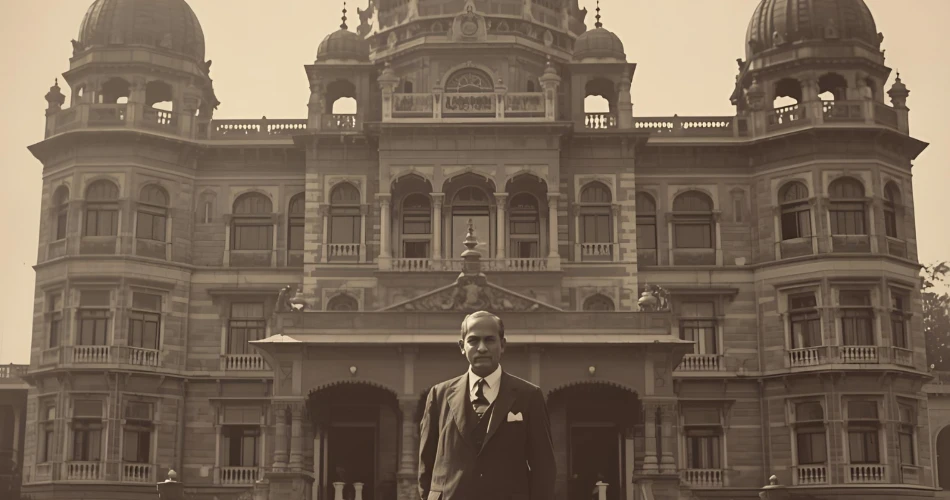
The Taj Mahal Palace Hotel owes its existence to the vision of Jamsetji Tata, the founder of the Tata Group. Legend has it that Tata built the hotel after being denied entry into a European-only hotel in Mumbai. Whether myth or fact, his ambition was clear: to create a hotel that would rival the best in the world and stand as a symbol of Indian pride and hospitality.
When the hotel opened in 1903, it was the first in India to offer electricity, American fans, German elevators, Turkish baths, and English butlers. This was not merely a hotel; it was a statement of progress and modernity in colonial India. The Taj instantly became a hub for intellectuals, freedom fighters, and social elites, marking the beginning of its journey as more than just a luxury stay—it was a gathering place of ideas and change.
Hosting World Leaders, Celebrities, and Royalty
Over the decades, the Taj Mahal Palace has hosted some of the world’s most influential figures. From Queen Elizabeth II and the Duke of Edinburgh to global icons like The Beatles and Barack Obama, the guest list reflects the hotel’s unparalleled reputation.
The Taj was not only a hotel but also a diplomatic stage. Dinners, banquets, and conferences within its grand ballrooms became the backdrop of cultural exchange and political dialogues. For India, this meant showcasing its hospitality to the world while reinforcing the Taj’s role as a bridge between cultures. Hosting global leaders also elevated Mumbai’s status as an international hub, cementing the Taj’s legacy as a place where history-makers rested, conversed, and celebrated.
The Role of the Taj in India’s Freedom Struggle
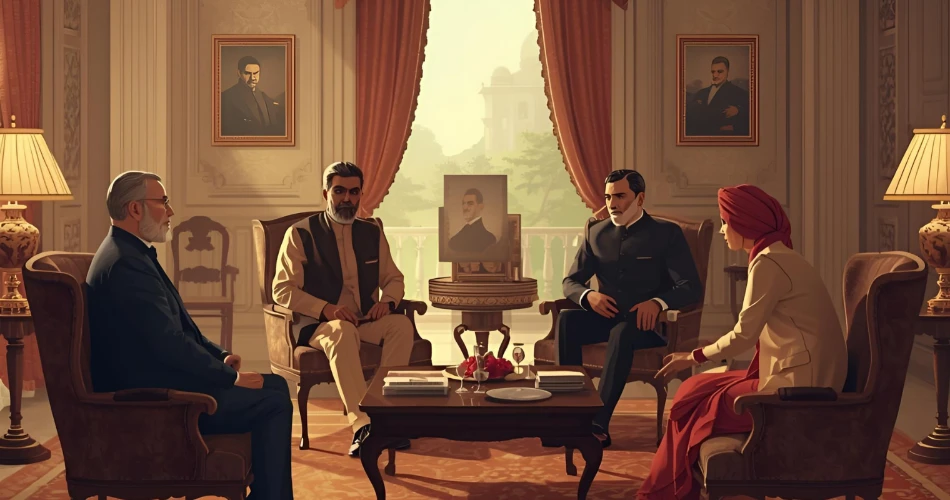
Few know that the Taj Mahal Palace Hotel was deeply connected to India’s independence movement. The hotel’s ballrooms and lounges became informal meeting places for freedom fighters, reformists, and intellectuals who shaped the course of history.
Leaders like Mahatma Gandhi and Jawaharlal Nehru used the Taj as a discreet meeting venue for discussions that would later influence India’s independence journey. In this sense, the Taj was more than a hotel; it was a silent witness to the conversations and ideas that paved the path toward freedom. The grandeur of the Taj gave these discussions a shield of privacy, while its cosmopolitan vibe allowed reformists to interact with international thinkers visiting Mumbai.
Surviving the 2008 Mumbai Terror Attacks
Perhaps the darkest chapter in the Taj’s history unfolded on November 26, 2008, when terrorists targeted Mumbai in a series of coordinated attacks. The Taj Mahal Palace became one of the central attack sites, where guests and staff endured over 60 hours of horror. Flames engulfed parts of the hotel, lives were lost, and its heritage was scarred.
What stood out was the bravery of the Taj’s staff, many of whom risked and sacrificed their lives to protect guests. Their courage became a global story of hospitality that went far beyond service—it was humanity in its purest form. The tragedy deeply shook India, yet it also highlighted the resilience and unity of the Taj community.
Restoration and Rebirth After the Attacks
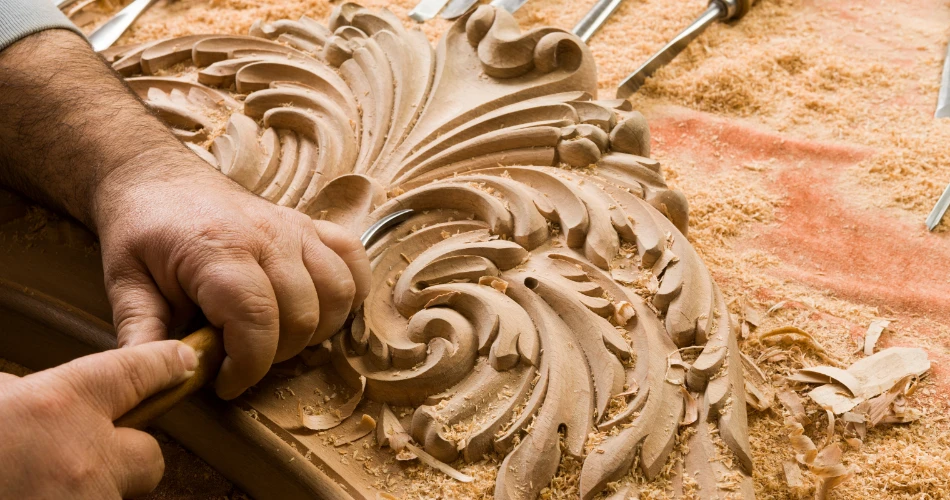
Following the attacks, the Taj faced the mammoth task of rebuilding not just its physical structure but also its spirit. Restoration efforts focused on preserving the hotel’s heritage while modernizing its facilities. Artisans and craftsmen worked meticulously to restore intricate woodwork, paintings, chandeliers, and stained glass windows to their former glory.
In August 2010, less than two years after the tragedy, the hotel reopened fully, standing as a beacon of resilience. The reopening was more than a celebration—it was a statement that no act of terror could diminish the Taj’s legacy. This moment symbolized the strength of Mumbai itself, a city that refuses to be broken.
The Taj as a Global Symbol of Heritage and Luxury
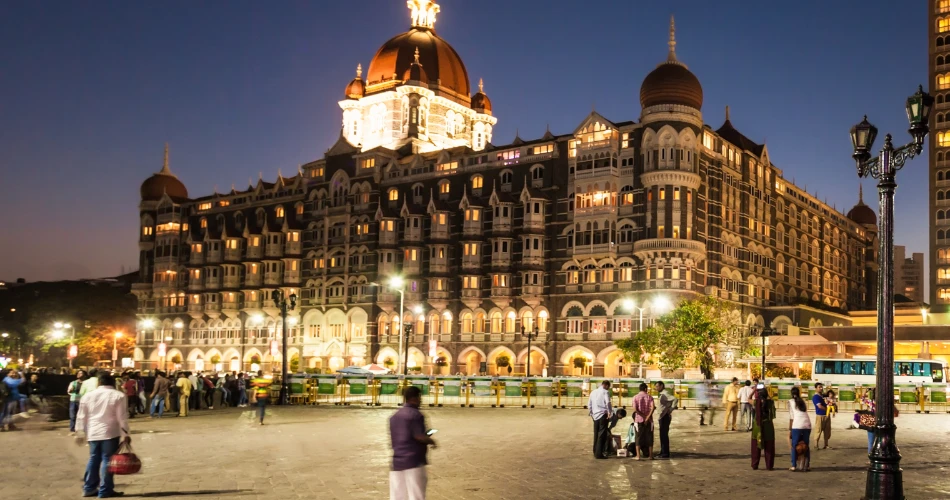
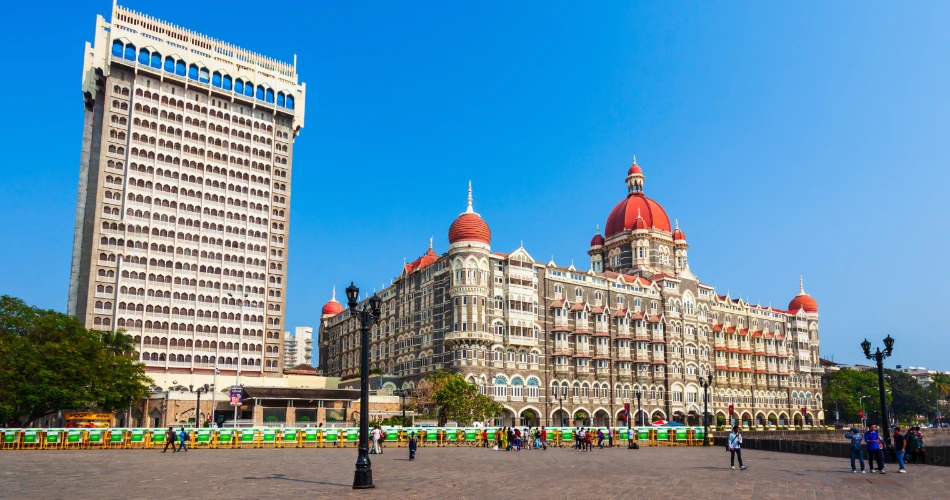
Today, the Taj Mahal Palace Hotel is recognized worldwide as a symbol of luxury, heritage, and resilience. Its red-domed façade and Indo-Saracenic architecture are as iconic as its service standards. It is now a member of the Leading Hotels of the World, showcasing India’s finest hospitality on the global stage.
Beyond luxury, the Taj embodies cultural preservation. Its art collection, antique furniture, and architectural marvels make it a living museum. Guests come not only for world-class comfort but also for a journey through history. From colonial India to modern-day Mumbai, the Taj reflects how a hotel can evolve into a global cultural landmark.
Conclusion: A Living Legacy of Resilience and Pride
The Taj Mahal Palace Hotel is more than 120 years old, yet it continues to thrive as a symbol of resilience, hospitality, and heritage. From its visionary beginnings by Jamsetji Tata to its survival and rebirth after the 2008 attacks, the Taj has consistently proven that it is not just a hotel but a living legacy.
It embodies the spirit of Mumbai—vibrant, resilient, and welcoming. For travelers, historians, and citizens alike, the Taj will always be a reminder that true landmarks are not built on bricks alone but on the courage, stories, and memories of the people who make them timeless.


About Author
Leo is a master at storytelling. He produces unique travel content in a way that gives readers a vibe of actually being there.