

مقدمة: سحر بانغانغا الخالد
تقع في حي والكشوار النابض بالحياة في جنوب مومباي بركة بانغانغا، وهو خزان مياه قديم يتحدى الزمن. تحيط به المعابد والأديرة والمنازل التقليدية، وتعتبر البركة ملاذًا هادئًا في مدينة لا تنام أبدًا. إن مياهه الهادئة، وهالته الروحية، وصلاته الأسطورية تجعل منه ليس مجرد معلم مادي ولكن أيضًا رمزًا حيًا للتراث الثقافي في مومباي.
يُعتقد أن بركة بانغانغا بُنيت في عام 1127 ميلادي على يد سلالة السيلهارا، وتم تجديدها لاحقًا من قبل المحسنين من منطقة مالابار هيل. لكن ما يميزها حقًا هو الأسطورة التي تربطها بالإله راما خلال سعيه لإنقاذ سيتا. على مر القرون، أصبحت بانغانغا أكثر من مجرد خزان مياه—إنها مكان يجتمع فيه التاريخ والأساطير والمجتمع.
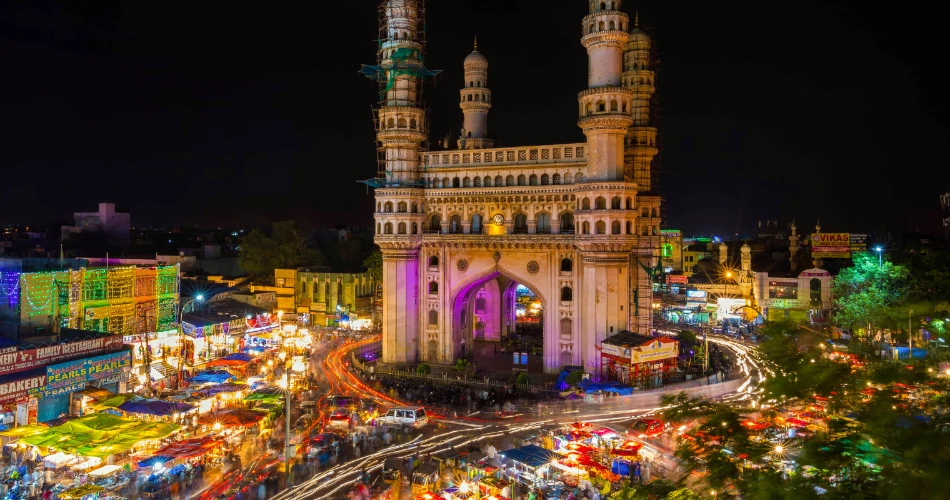
الأصول الأسطورية لبركة بانغانغا
وفقًا للأسطورة القديمة، تعود بركة بانغانغا إلى حادثة من رامايانا. عندما كان اللورد راما في رحلته إلى لانكا لإنقاذ سيتا، توقف في هذا المكان بالذات لأنه شعر بالعطش. ومع عدم وجود مياه عذبة قريبة، أطلق راما سهمًا ("بان" باللغة السنسكريتية) في الأرض، ومن تلك النقطة تدفقت ينابيع مياه عذبة بشكل معجزي. أصبحت هذه الينابيع بركة بانغانغا، حيث تعني "بانغانغا" حرفيًا "سهم نهر الغانج".
تعتبر مياه بانغانغا مقدسة، ويعتقد أنها مرتبطة مباشرة بنهر الغانج المقدس. بالنسبة للمتعصبين، فإن الغطس في هذه البركة يعادل الاستحمام في نهر الغانج نفسه. تضمن هذه المعتقدات الروحية العميقة أن بركة بانغانغا ليست مجرد خزان للمياه ولكنها أيضًا موقع حج، يجذب المصلين من جميع أنحاء المدينة وما بعدها.
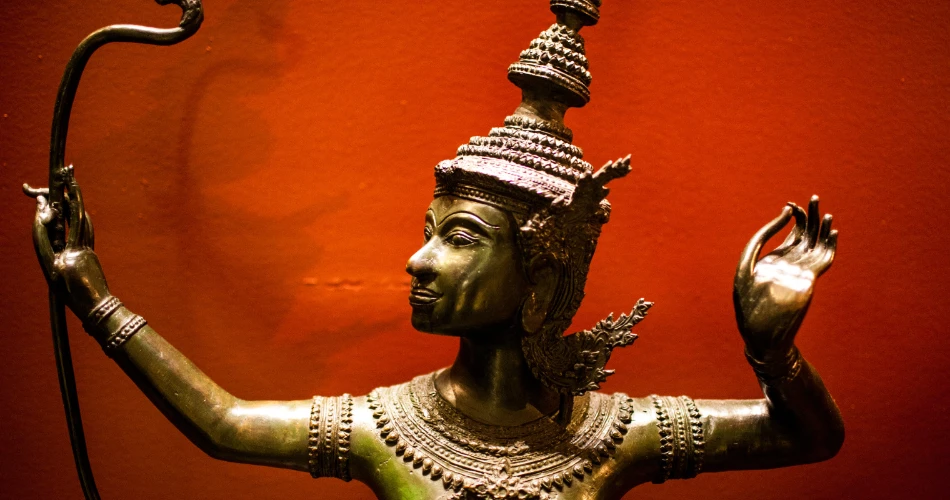
الأهمية المعمارية والثقافية
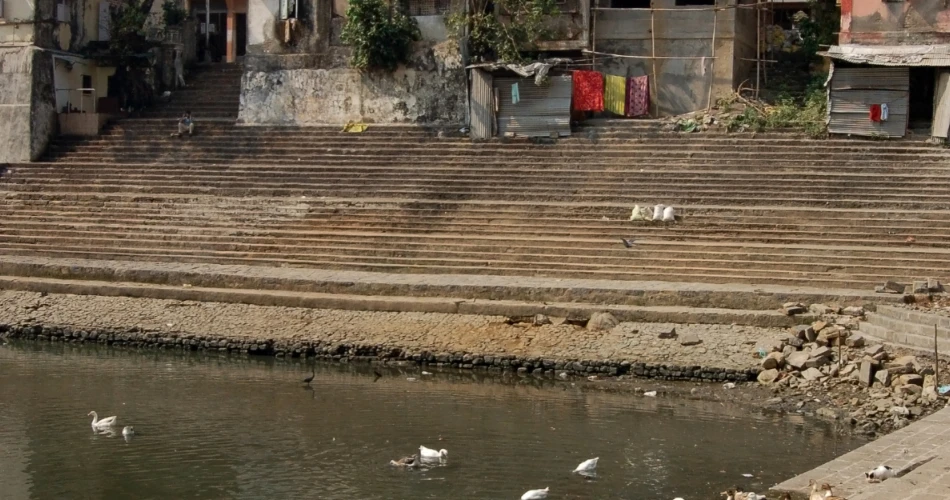
تعكس العمارة حول بركة بانغانغا مزيجًا فريدًا من التراث والتفاني. البركة المستطيلة محاطة بخطوات حجرية، مما يتيح للزوار والمتعبدين النزول إلى مياهها المقدسة. تحيط بالبركة العديد من المعابد المخصصة للآلهة الهندوسية، وأبرزها معبد والكيشوار، الذي سُمّيت المنطقة باسمه. الشوارع الضيقة حول البركة مليئة بالمنازل على الطراز القديم، والدهارمشالات، والأديرة، مما يعرض العمارة التقليدية التي بدأت تتلاشى ببطء في مومباي الحديثة.
بعيدًا عن وظيفتها الدينية، كانت بانغانغا تاريخيًا مركزًا ثقافيًا. كانت نقطة التقاء للقديسين والعلماء والموسيقيين، مما منحها حيوية روحية لا تزال موجودة حتى اليوم. هذا الدور المزدوج - كمصدر للمياه ومركز ثقافي - يجعل بانغانغا علامة مميزة متعددة الأبعاد حقًا.

صلة معبد والكيشوار
معبد والكيشوار هو معبد يقع بجوار بركة بانغانغا، ويعد من أقدس المعابد في مومباي. مخصص للإله شيفا، يحمل المعبد أهمية كبيرة بالنسبة للسكان الهندوس في المدينة. تشير السجلات التاريخية إلى أن المعبد بُني في الأصل من قبل سلالة السيلهارا وأعيد بناؤه لاحقًا بواسطة مجتمع براهمين جود سارسوات في القرن الثامن عشر.
المعبد هو محور مجمع بانغانغا، ليس فقط لدوره الديني ولكن أيضًا كركيزة ثقافية. تجلب الأعياد مثل مهاشيفراتري وغيرها من الاحتفالات الهندوسية الحياة إلى الحي بأكمله، حيث يتدفق الآلاف من المصلين إلى المنطقة. هذه التآزر بين بركة بانغانغا ومعبد والكيشوار يجعل الموقع نظامًا روحانيًا لا يتجزأ في مومباي.
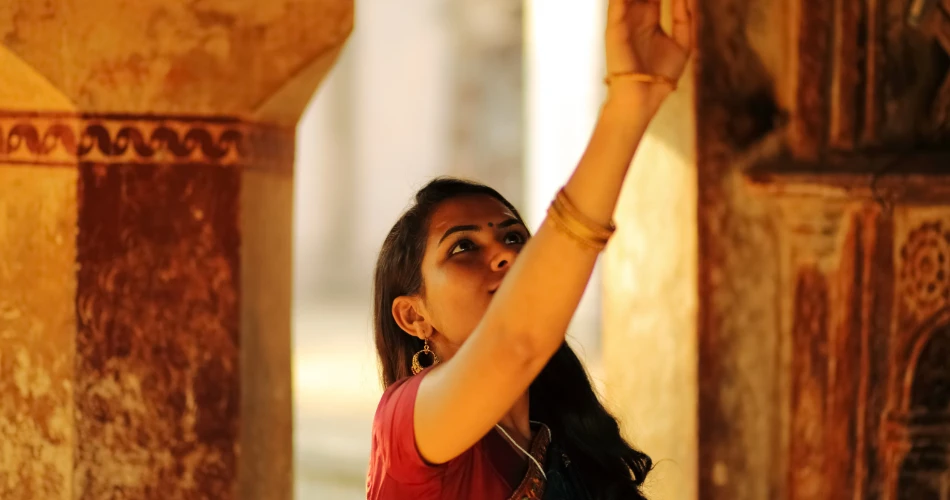
الممارسات الروحية والطقوس في بركة بانغانغا
حتى اليوم، تستمر بركة بانغانغا في كونها مساحة روحية حية. يقوم المتعبدون بانتظام بأداء طقوس مثل "بند دان" (تقديم القرابين للأسلاف)، مما يجعل البركة موقعًا مهمًا لعبادة الأسلاف. يعتقد العديد من الهندوس أن إجراء هذه الطقوس هنا يضمن التحرر الروحي للأرواح الراحلة، حيث ترتبط المياه بالغانغا المقدسة.
بعيدًا عن الطقوس، تعد البركة وجهة يومية للسكان المحليين الذين يأخذون غطسة مقدسة، ويطعمون الأسماك، أو يضيئون الشموع في المساء. خلال الأعياد، تصبح البركة عرضًا من الأضواء والترانيم والتفاني، مما يعزز أهميتها في التقويم الروحي لمومباي.
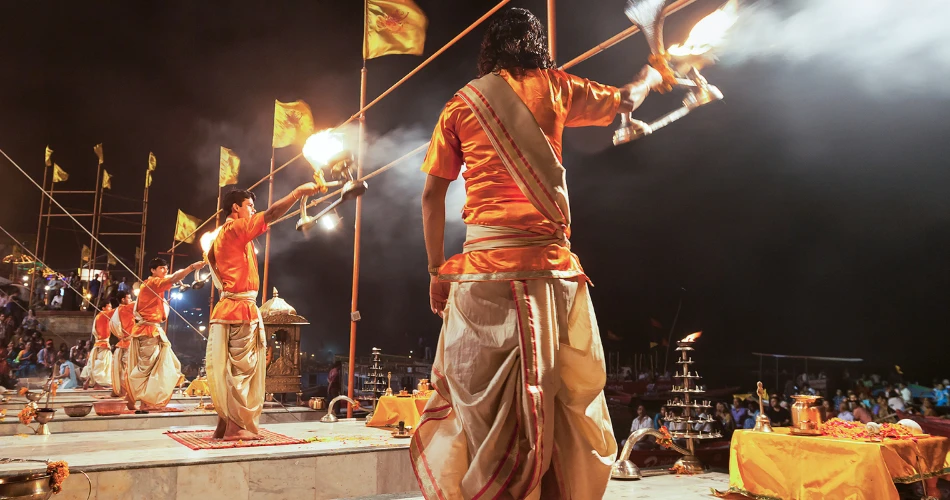
مهرجان بانغانغا للموسيقى: احتفالية ثقافية
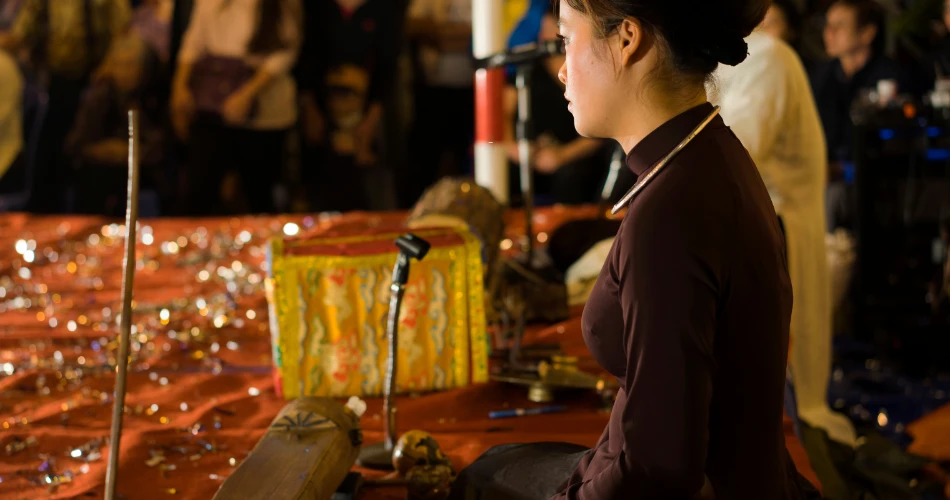
بالإضافة إلى أهميتها الدينية، يُعرف بركة بانغانغا أيضًا بمهرجان بانغانغا للموسيقى، وهو حدث سنوي يحتفل بالموسيقى الكلاسيكية الهندية. ينظم المهرجان من قبل هيئة تطوير السياحة في ماهاراشترا، ويحول الموقع العريق إلى مسرح في الهواء الطلق. على خلفية البركة المقدسة والمعابد، يقدم الموسيقيون المشهورون راجات وتكوينات تقليدية، مما يخلق تجربة لا تُنسى للجماهير.
لا يُبقي هذا الحدث تقاليد الهند الموسيقية حية فحسب، بل يُبرز أيضًا بانغانغا كمركز ثقافي يتجاوز دوره الروحي. تجعل مجموعة التراث القديم والموسيقى الخالدة من المهرجان وجهة لا بد من زيارتها لكل من السكان المحليين والسياح.
الحفاظ على خزان بانغانغا في العصر الحديث
على الرغم من قيمته التاريخية والثقافية، يواجه خزان بانغانغا تحديات من التمدن والإهمال وتدهور البيئة. التعديات، وتلوث المياه، ونقص جهود الحفظ المستمرة تهدد قدسية هذا الموقع التراثي. ومع ذلك، تعمل المنظمات المحلية ونشطاء التراث على الحفاظ على إرثه.
تُبذل جهود لتنظيف الخزان، واستعادة المعابد، والترويج له كوجهة سياحية تراثية. كما أكدت حملات التوعية على ضرورة تحقيق التوازن بين الاستخدام الديني والحفاظ المستدام. بالنسبة لمومباي، فإن حماية خزان بانغانغا ليست مجرد مسألة حماية نصب تذكاري، بل تتعلق أيضًا بتكريم هويته الروحية واستمراريته التاريخية.
الخاتمة: لماذا يعتبر بانغانغا تانك مهمًا اليوم
بانغانغا تانك هو أكثر من مجرد خزان مياه تاريخي - إنه تجسيد حي لثقافة ومعتقدات مومباي الروحية. من أصوله الأسطورية المرتبطة بالإله راما إلى دوره كمركز مجتمعي وموقع للاحتفالات، يستمر في إلهام devotion والفخر.
بالنسبة للمسافرين، يقدم بانغانغا لمحة عن الجذور الروحية للمدينة وسط فوضى الحياة الحضرية. بالنسبة للسكان المحليين، يبقى ملاذًا مقدسًا، يربطهم بقرون من التقاليد. إن الحفاظ على بانغانغا تانك والاحتفاء به يضمن أن الأجيال القادمة ستختبر نفس السكينة الخالدة والغنى الثقافي الذي يجسده اليوم.