

Introduction: A Timeless Gem in Mumbai
Nestled in the vibrant neighborhood of Byculla, Bhau Daji Lad Museum is more than just a museum – it is a slice of Mumbai’s cultural and historical essence. Established in 1855, it is the city’s oldest museum and a stunning showcase of Victorian architecture, artistic brilliance, and India’s rich past. Originally called the Victoria and Albert Museum, Mumbai, this iconic institution was renamed after Dr. Bhau Daji Lad, a renowned physician, scholar, and philanthropist who played a pivotal role in its establishment.
For history buffs, architecture lovers, and curious travelers, the museum offers a rare chance to step back into the Victorian era while exploring India’s industrial arts, craftsmanship, and cultural traditions.
The History of Bhau Daji Lad Museum
The Bhau Daji Lad Museum traces its roots back to the mid-19th century when Mumbai was emerging as a global trade hub under British rule. Initially conceived as the Victoria and Albert Museum, Bombay, it aimed to promote Indian craftsmanship, decorative arts, and industrial design. Its inception was supported by influential figures like Sir George Birdwood and Dr. Bhau Daji Lad, who envisioned a museum that would showcase India’s immense artistic heritage.
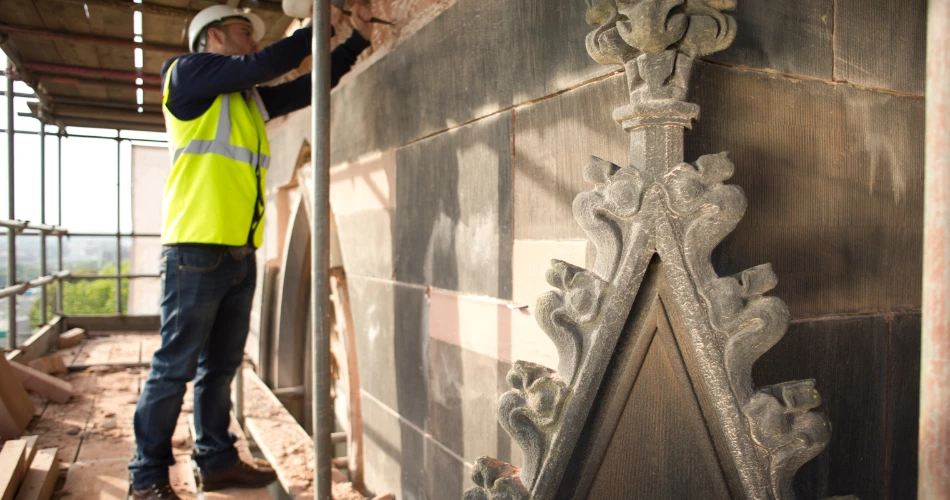
Renovated and reopened in 2008 after decades of neglect, the museum now stands as a shining example of conservation and heritage revival. With meticulous restoration work carried out by the Indian National Trust for Art and Cultural Heritage (INTACH), it preserves not just objects but also the architectural splendor of the Victorian era.

Victorian Architecture and Elegant Interiors
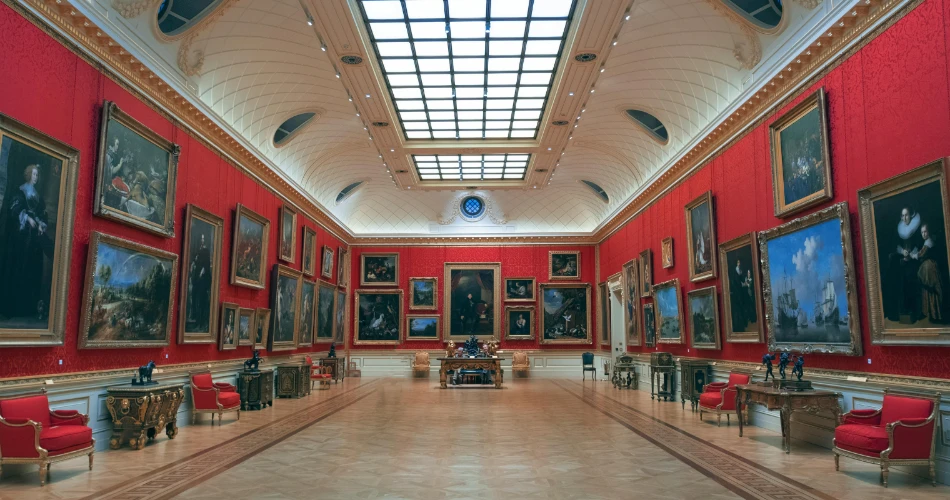
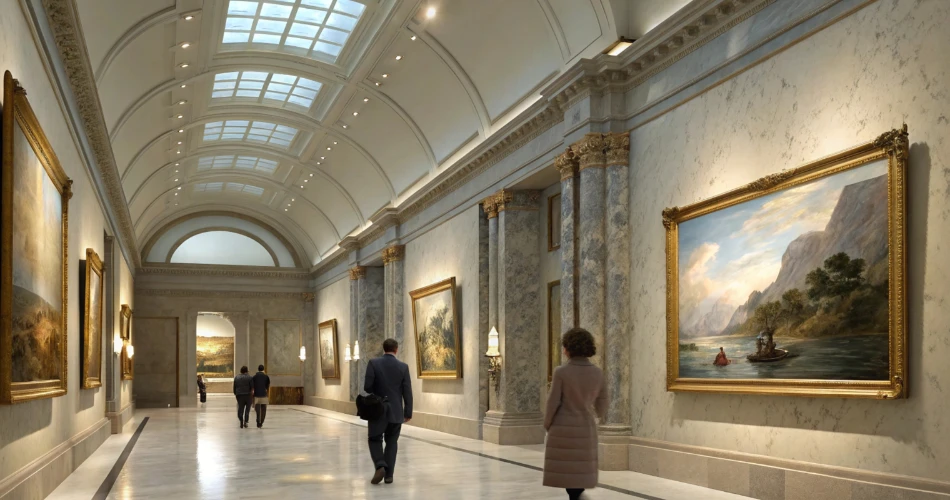
One of the most captivating features of the Bhau Daji Lad Museum is its exquisite Victorian architecture. The building, with its neo-Palladian style, features a grand façade, Corinthian columns, and intricate detailing reminiscent of 19th-century Europe. Step inside, and you are greeted with ornate ceilings, patterned Minton tiles, gilded pillars, and crystal chandeliers – all meticulously restored to their original glory.
The interiors reflect a blend of colonial grandeur and Indian artistry, creating a space that feels both regal and inviting. Every corner is designed to highlight the exhibits while immersing visitors in a timeless ambiance.
Collections and Exhibits: A Walk Through History
The museum is home to a remarkable collection that spans art, design, craft, and industrial history. Its exhibits include:
-
Decorative Arts and Crafts: Intricate Indian pottery, textiles, and metalwork.
-
Historical Artifacts: Maps, manuscripts, and rare books that reflect Mumbai’s evolution.
-
Industrial Arts: Early machinery, tools, and models that highlight India’s industrial growth.
-
Miniature Models: Scale models of Mumbai’s 19th-century urban landmarks, including docks, railways, and public buildings.
Every exhibit tells a story – whether it’s the evolution of craftsmanship or the socio-economic history of colonial Bombay. The museum also houses temporary exhibitions and collaborations with contemporary artists, making it a hub for both heritage and modern creativity.
Bhau Daji Lad Museum and Mumbai’s Heritage
Beyond its collection, the museum plays a vital role in preserving Mumbai’s cultural identity. It is part of the city’s heritage circuit, along with landmarks like the Gateway of India, Chhatrapati Shivaji Maharaj Terminus, and the Prince of Wales Museum. For locals, it stands as a reminder of the city’s layered history, while for tourists, it is a window into Mumbai’s cultural soul.
The museum regularly hosts cultural programs, workshops, and guided tours, helping bridge the gap between the past and the present. Its role in education and heritage awareness has made it a living institution rather than a static display.
Restoration and Conservation Efforts
The 2003–2008 restoration project of Bhau Daji Lad Museum is considered one of India’s most successful heritage conservation efforts. Spearheaded by INTACH, with support from the Jamnalal Bajaj Foundation and the Municipal Corporation of Greater Mumbai, the project brought the museum back to life after years of decline.
The careful restoration preserved the building’s architectural integrity while upgrading its infrastructure to modern standards. Today, it stands as a model for how heritage structures can be conserved without losing their original charm.
Visiting the Bhau Daji Lad Museum
Located in Byculla East, the museum is easily accessible by train, taxi, or bus. Visitors can explore the museum’s galleries, participate in workshops, or simply enjoy the serene gardens surrounding the building.
-
Timings: Open Tuesday to Sunday, 10:00 AM – 6:00 PM (Closed on Mondays and public holidays).
-
Entry Fee: Nominal charges for adults, students, and children. Special discounts are often available.
-
Best Time to Visit: Weekdays, to avoid crowds and fully enjoy the tranquil atmosphere.
With guided tours available, the museum experience is enhanced by stories that bring the exhibits and architecture to life.
Why Bhau Daji Lad Museum Should Be on Your Mumbai Itinerary
For travelers, the Bhau Daji Lad Museum is more than just a sightseeing spot. It is a journey through Victorian elegance, Mumbai’s history, and India’s artistic brilliance. Unlike other bustling attractions, it offers a calm, reflective space where you can appreciate craftsmanship, heritage, and culture at your own pace.
Whether you’re a local Mumbaikar seeking a cultural escape or a tourist exploring the city’s landmarks, this museum promises an enriching experience that blends the past with the present.
Conclusion: Preserving Elegance, Inspiring Generations
The Bhau Daji Lad Museum is not just Mumbai’s oldest museum – it is a living testament to the city’s resilience, heritage, and cultural depth. With its Victorian architecture, extensive collections, and active role in conservation, it continues to inspire generations of art lovers, historians, and travelers.
Visiting this museum is like stepping into a time capsule that celebrates both Mumbai’s colonial past and its modern-day cultural relevance. If you’re in Mumbai, make sure this elegant heritage gem is on your must-visit list.